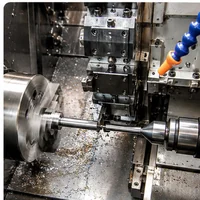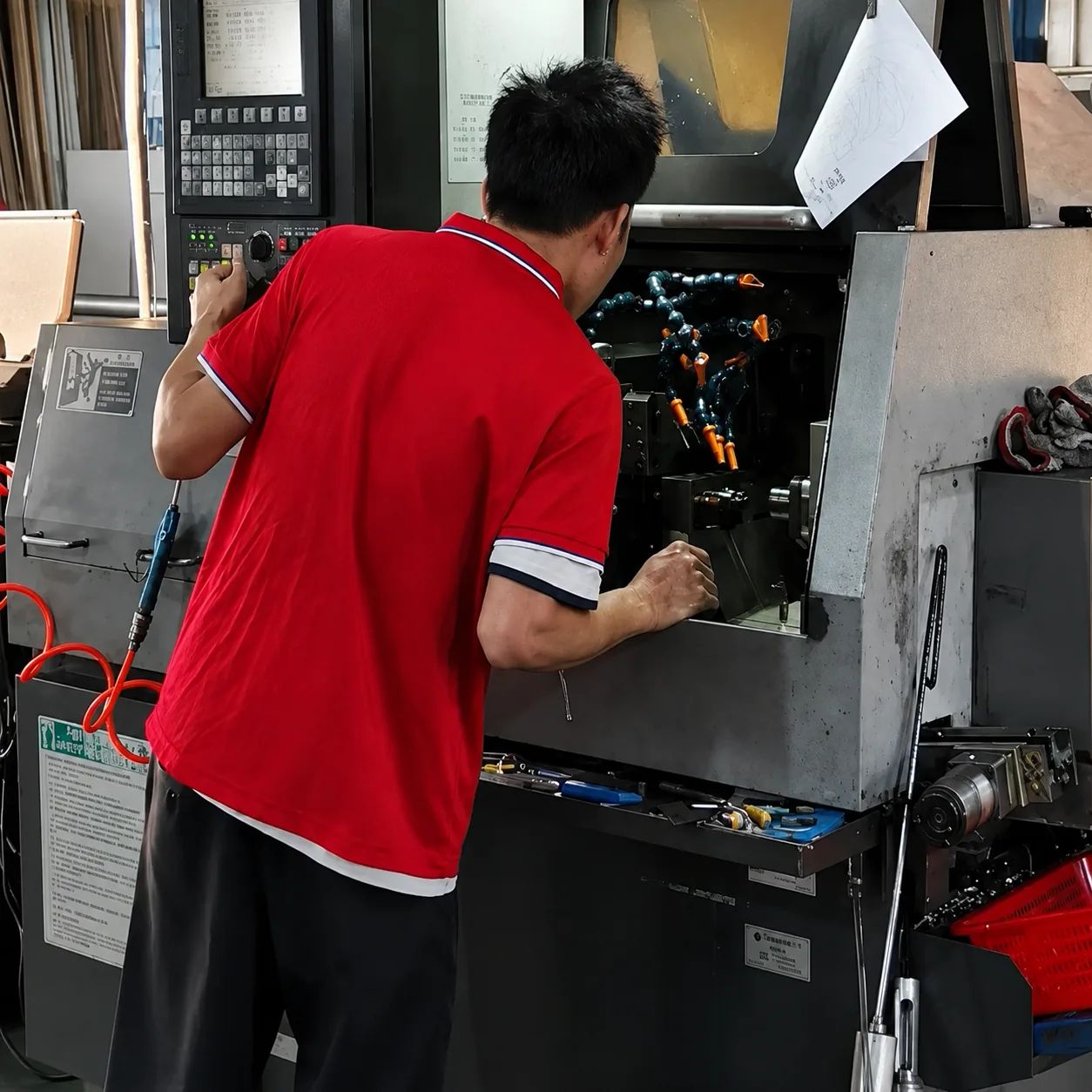
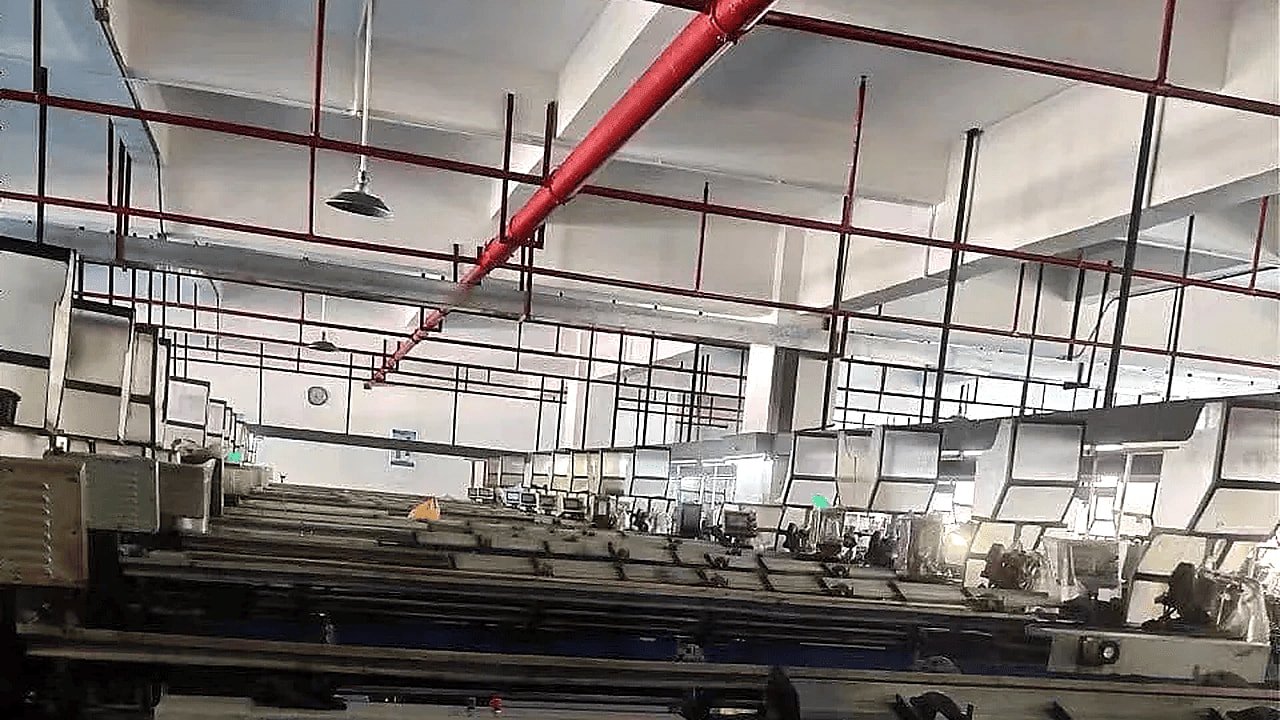
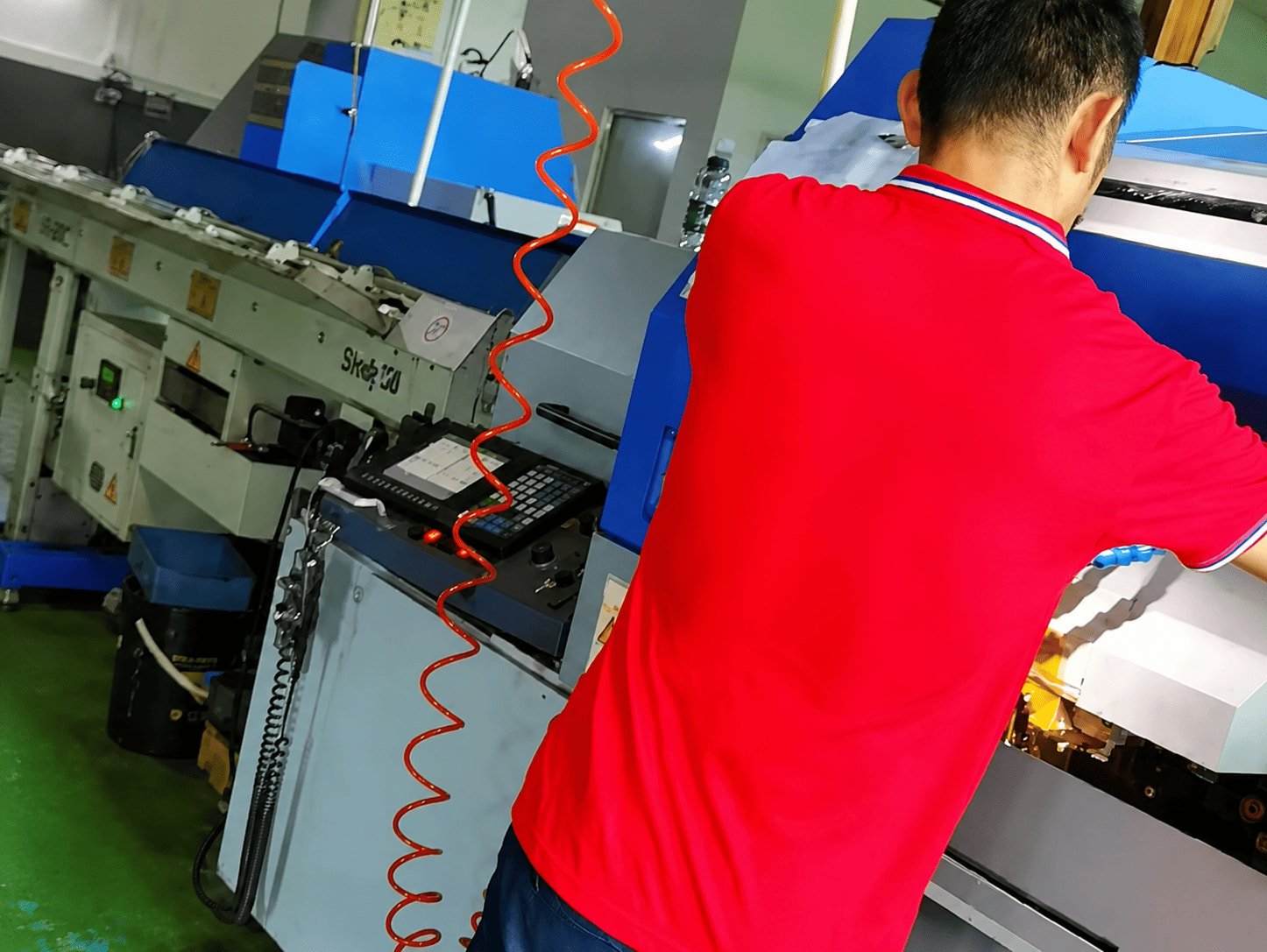
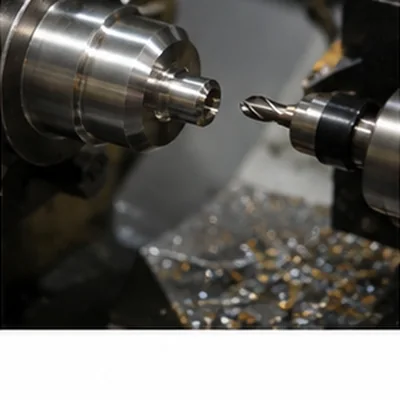
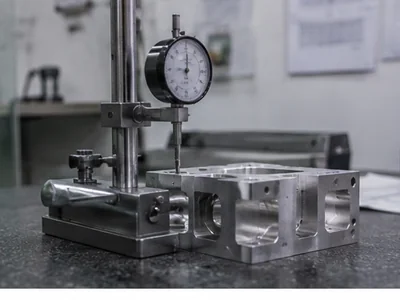
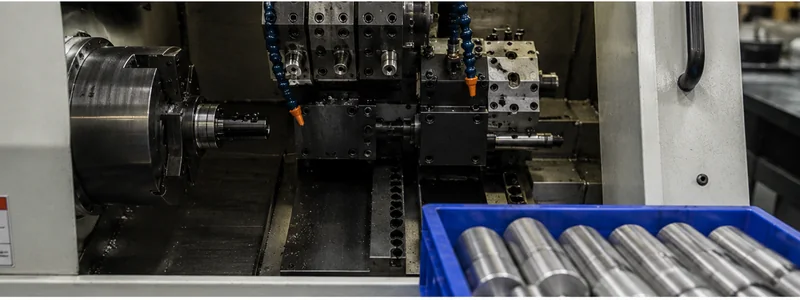
Swiss Machining Background
SWISS MACHINING SERVICES

Swiss Machined Parts for Small, Slender & Complex Components

LuckyHxs manufactures custom Swiss machined parts for small-diameter, slender and multi-feature components made to customer drawings. We support shafts, pins, connectors, threaded parts, sleeves, fluid components and other precision parts from prototype validation to repeat production.

20+ Years CNC Experience
153 Precision Machines
Tolerance Ref: ±0.01 mm
Prototype to Batch
Made to Your Drawing Small & Slender Turning + Cross Features Repeat Production Control
Request Swiss Quote
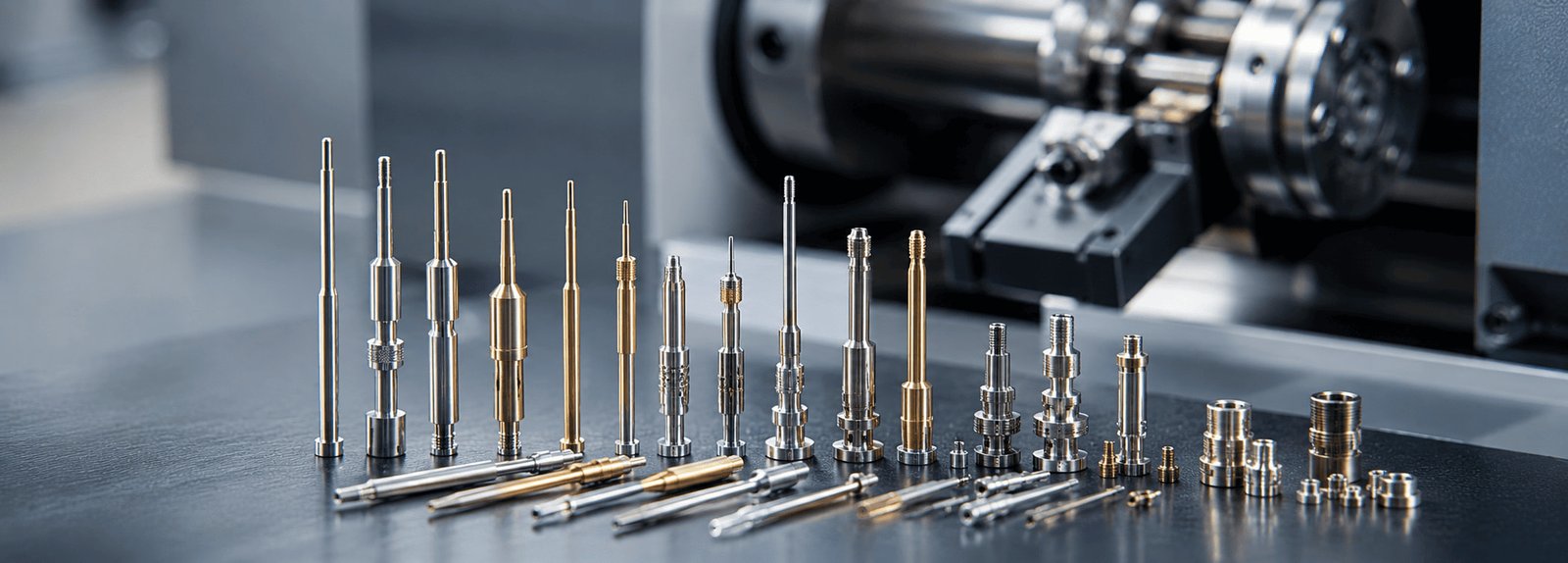
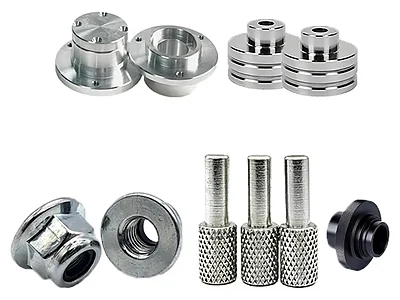
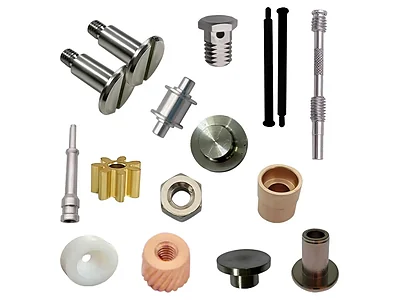
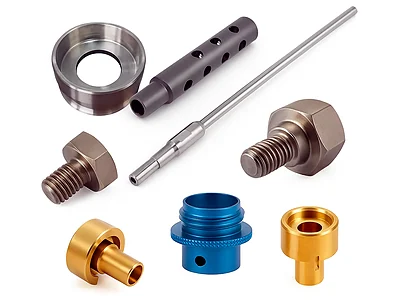
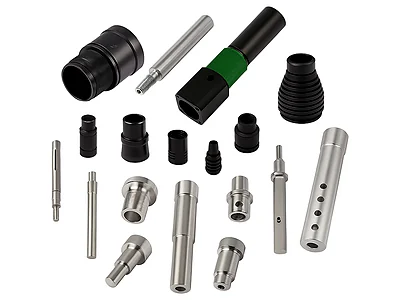
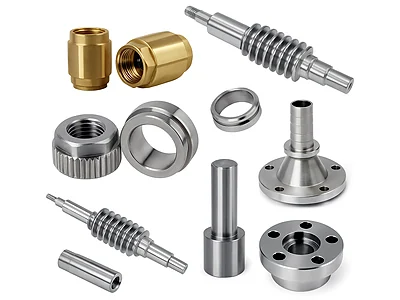
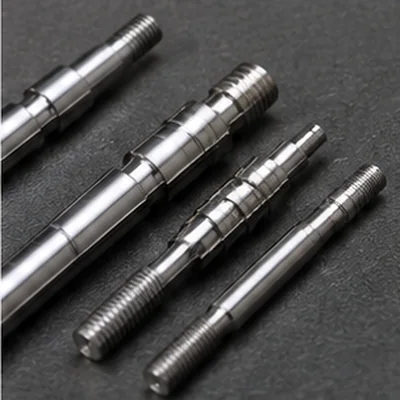
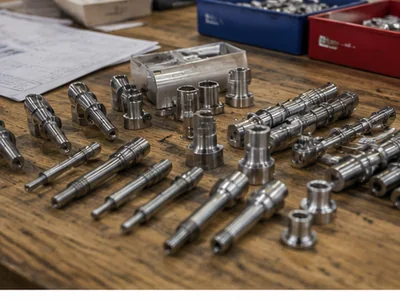
Collection of Custom Swiss Machined Parts including shafts, pins, and connectors

Swiss Machining at a Glance

Supply Type

Custom Made-to-Drawing Swiss Machined Parts

Typical Geometry

Small Diameter / Slender / Bar-Fed / Multi-Feature

Processes

Swiss CNC / Turning / Drilling / Threading / Grooving / Cross Features / Back Working

Common Parts

Shafts / Pins / Connectors / Threaded Parts / Sleeves / Nozzles / Sensors

Materials

Stainless Steel / Brass / Copper / Aluminum / 1214 / 1215 / Selected Plastics

Critical Features

Runout / Concentricity / Small Holes / Threads / Back Features / Burrs

Tolerance: Standard reference ±0.01 mm. Feature-specific capability depends on diameter, length, material, geometry and inspection requirements.

Looking for finished Swiss machined parts?

LuckyHxs manufactures components strictly to drawings. We do not sell Swiss CNC machines, lathes, or replacement machine parts.

Engineering drawing with small precision parts

What Makes Swiss Machining Different?

Swiss machining is especially useful when a long or small-diameter component benefits from support close to the cutting zone, minimizing deflection during turning.

1

Bar Stock

Material is fed continuously through the machine rather than chucked at the end.

2

Sliding Support

A guide bushing supports the bar precisely where the tool engages the material.

3

Cut Close to Support

Cutting forces are absorbed by the guide bushing, preventing slender parts from bending.

4

Finished Part

Complex, multi-feature parts emerge completed, reducing secondary handling errors.

Swiss Does Not Mean Every Small Part Should Use Swiss.

The process must be evaluated based on Geometry, Material, Quantity, Tolerance, and Feature Relationships.

Swiss Machined Parts We Manufacture to Your Drawings

Categorized by part geometry, functional feature, and Swiss process suitability.

Swiss Machined Precision Shafts

Swiss Machined Shafts & Slender Components

Long, slender parts where bar condition, support near the cutting zone, and machining sequence affect final runout.

Watch Point: Straightness & Concentricity
Swiss Machined Precision Pins

Swiss Machined Pins & Locating Components

Alignment and guide components where threads, shoulders, or cross holes must relate correctly to the functional datum.

Watch Point: Datum Relationship & Burr
Swiss Machined Electrical Connectors

Electrical Connectors, Contacts & Terminals

Micro components combining precision diameters, threads, shoulders and contact surfaces in very small geometries.

Watch Point: Micro Features & Surface Damage
Swiss Machined Threaded Inserts

Threaded Parts, Inserts & Custom Fasteners

Custom non-standard studs, screws, and inserts where thread size alone does not define assembly performance.

Watch Point: Thread Alignment & Entry Burr
Swiss Machined Bushings and Sleeves

Swiss Machined Bushings, Sleeves & Spacers

Thin-walled components where ID PASS + OD PASS does not equal Functional Fit PASS without concentricity control.

Watch Point: Bore-to-OD Relationship
Swiss Machined Valve Components

Valve, Nozzle & Fluid Control Components

Precision fluid passages where hole diameter pass does not automatically mean internal passage pass.

Watch Point: Internal Chips & Sealing Surface
Swiss Machined Sensor Components

Sensor, Instrument & Micro-Mechanical Parts

Micro housings and probe components requiring strict datum relationships and burr control for sensitive assemblies.

Watch Point: Micro Features & Batch Repeatability
Complex Swiss Turn-Mill Components

Complex Swiss Turn-Mill & Multi-Feature Parts

Components featuring flats, cross holes, slots, and back-side features where one-setup machining reduces secondary errors.

Watch Point: Feature Relationship & Datum Transfer

Small, Slender & Multi-Feature Swiss Machined Components

Long slender stainless shaft
Precision brass pin with cross hole
Copper electrical contact
Small threaded insert
Thin-walled aluminum sleeve
Stainless fluid nozzle
Micro sensor housing
Complex turn-mill part with flat
Stepped shaft with groove
Locating pin with back feature
Brass connector body
Multi-axis machined small component

Which Parts Are Best Suited for Swiss Machining?

Swiss should be selected because the geometry benefits from it—not simply because the drawing says "high precision."

Geometry Suggested Process Why Buyer Watch Point
Long Slender Shaft Swiss Machining Requires support near cutting zone to prevent deflection. Bar straightness impacts final runout.
Small Connector With Cross Hole Swiss Turn-Mill Maintains relationship between OD and cross hole in one setup. Cross-hole burr removal inside small bores.
Micro Threaded Insert Swiss Machining Bar-fed efficiency for small, high-volume threaded parts. Thread-to-OD concentricity drift over long runs.
Standard Short Bushing CNC Turning No deflection risk; standard turning is often more economical. Review chucking pressure on thin walls.
Block-Shaped Housing CNC Milling Prismatic geometry is not suitable for bar-fed turning. Datum transfer between milling setups.

Materials for Custom Swiss Machined Parts

Stainless Steel

303 / 304 / 316 / 316L

Suitable for: Shafts, pins, valve components, precision mechanical parts.

Buyer Watch Point: Work hardening, tool wear during long runs, burr control on cross holes.

Brass

H57 / H59 / H62 / C3604

Suitable for: Connectors, contacts, threaded components, inserts.

Buyer Watch Point: Excellent machinability, but requires surface protection against handling marks.

Copper

Project Specific Grades

Suitable for: Electrical contacts, conductive components, connector parts.

Buyer Watch Point: Soft material handling, built-up edge on tooling, protecting electrical contact surfaces.

Aluminum

6061 / 6063 / 6082 / 7075

Suitable for: Lightweight shafts, spacers, connector bodies, instrument parts.

Buyer Watch Point: Surface damage during cutoff, burrs on thin features, anodizing allowances.

Free-Machining Steel

1214 / 1215

Suitable for: Pins, shafts, fasteners, high-volume turned components.

Buyer Watch Point: Rust prevention during transit, ensuring consistent bar stock quality for automation.

Engineering Plastics

POM / Nylon / PTFE / ABS

Suitable for: Bushings, spacers, insulators, small turned components.

Buyer Watch Point: Heat deformation during machining, moisture absorption affecting tight tolerances.

Additional materials are reviewed according to drawing and project requirements.

Why Small Swiss Parts Fail Even When Individual Dimensions Pass

10 common risks buyers face when sourcing complex bar-machined components.

Core Pain 1

Bar Stock & Guide-Bushing Conditions Affect Final Accuracy

Correct material grade does not equal correct bar condition. Poor straightness causes runout on long shafts.

Consequence: Assembly vibration, binding, or premature wear.

Core Pain 2

Tiny Features Pass Inspection but Lose Functional Alignment

OD and ID pass individually, but eccentric threads or offset shoulders cause mating parts to jam.

Consequence: Failed final product assembly.

Core Pain 3

Prototype Passes, but Long-Run Swiss Production Drifts

Tool wear and thermal changes cause dimensional drift, increasing burrs and changing thread fits mid-batch.

Consequence: Inconsistent batch quality and line stoppages.

4. Micro Holes Retain Burrs

Holes pass size checks but retain chips, blocking fluid nozzles or scratching mating pins.

5. Small Threads Fail Assembly

Gauging passes, but incorrect entry chamfers or thread runouts prevent proper seating.

6. Cutoff Face Problems

Front side is perfect, but cutoff pips or back-face burrs alter overall length.

7. Secondary Operation Errors

Removing a part for secondary milling destroys the one-setup accuracy advantage.

8. Surface Marks

Guide-bushing rubbing or part-to-part contact damages critical sealing or cosmetic surfaces.

9. Long/Slender Deflection

Incorrect support strategy allows the part to bend away from the tool, ruining tolerances.

10. Datum Transfer Loss

Failing to define the functional datum leads to parts that measure correct but function wrong.

Bar Stock & Guide-Bushing Conditions Affect Final Accuracy

The Challenge

Swiss machining relies heavily on bar diameter, roundness, straightness, and support at the cutting zone. Correct Material Grade ≠ Correct Bar Condition. This especially affects long shafts, guide pins, and slender threaded parts.

Why It Happens

Bar OD variations or poor straightness disrupt the fit inside the guide bushing. When cutting forces meet a long slender geometry without consistent support, deflection and vibration occur.

Customer Consequence

Diameter drift, functional runout, surface rubbing marks, and inconsistent straightness leading to assembly failure.

LuckyHxs Approach

  • Confirm material and bar form requirements.
  • Review long/slender geometry and runout specs.
  • Select guide-bushing strategy according to part geometry.
  • Inspect functional runout and straightness where specified.
Precision ground bar stock Swiss machining cutting zone close-up
Long precision shaft runout inspection

Tiny Features Pass Inspection but Lose Functional Alignment

The Challenge

You may see OD PASS, ID PASS, and Thread PASS. But the assembly fails. Why? Because individual dimensions can pass while the feature relationship fails. The relationship between OD, ID, shoulder, cross hole, and back feature is what dictates function in connectors and sensor parts.

Why It Happens

Multiple datum transfers, re-clamping for secondary operations, tool alignment issues, or front/back machining variations disrupt concentricity and positional accuracy.

Customer Consequence

Eccentric threads, bore offsets, cross-hole misalignment, and uneven walls causing leaks or mating failures.

LuckyHxs Approach

  • Identify functional datums from the drawing.
  • Review which features should remain in one setup.
  • Use suitable turn-mill processes to minimize secondary clamping.
  • Inspect relationships between CTQ (Critical to Quality) features.
Complex connector body undergoing inspection for feature alignment

Checking concentricity and front/back relationship on a multi-feature component.

Prototype Passes, but Long-Run Swiss Production Drifts

The Challenge

The First Article is perfect. But during a long production run, ODs drift, groove widths change, burrs increase, and surface marks appear. Automation ≠ No Process Drift.

Why It Happens

Gradual tool wear, material lot variations, thermal expansion during continuous running, chip evacuation issues, and collet wear all contribute to dimensional and cosmetic drift.

Customer Consequence

Inconsistent batch quality, varying thread fits, and rejected parts late in the production cycle.

LuckyHxs Approach

  • First Article Verification against drawing revisions.
  • Tool condition monitoring and scheduled offsets.
  • In-process inspection of CTQ features, threads, and burrs.
  • Final batch verification and repeat-order requirement retention.
Large batch of identical small Swiss parts Micrometer optical inspection of batch parts

Why Long, Small-Diameter Parts Need Different Support

Swiss machining is most valuable when geometry benefits from support near the cut. We don't just sell "precision"; we engineer the right support strategy based on the Length-to-Diameter (L/D) relationship.

Conventional CNC Turning

Workpiece is supported from the chuck/collet side, further from the cutting zone as length increases.

  • Higher deflection risk on long/thin parts.
  • Increased vibration and surface variation.
  • Excellent for short, large-diameter components.

Swiss / Sliding-Head Concept

Support is brought close to the cutting zone through the machine's guide-bushing strategy.

  • Controls deflection on slender geometry.
  • Maintains runout and straightness.
  • Ideal for long shafts and pins.

Micro Holes, Fine Threads & Burrs Can Decide the Assembly

Hole Size PASS does not automatically mean Hole Function PASS. Thread Gauge PASS does not automatically prove every assembly relationship is correct.

Micro Hole

Risk: Drill wander, runout.

Focus on hole intersection and straightness.

Blind Hole

Risk: Retained chips at bottom.

Focus on cleaning and depth control.

Cross Hole

Risk: Internal burrs blocking bore.

Focus on cross-hole burr removal.

Small Bore

Risk: Poor surface finish, taper.

Focus on bore-to-OD concentricity.

Fine Internal Thread

Risk: Short effective thread length.

Focus on thread gauge and depth.

Fine External Thread

Risk: Eccentric to main diameter.

Focus on thread-to-OD relationship.

Groove

Risk: Width variation, corner burr.

Focus on position relative to datum.

Thread Entry Chamfer

Risk: Missing chamfer prevents mating.

Focus on entry geometry and burr.

Reduce Datum Transfer by Keeping Related Features in One Process

The true value of complex Swiss machining isn't just "more tools." It's reducing the need to remove, re-clamp, re-datum, and transfer the part between machines.

Route A (Multiple Setups)

Turning → Remove → Milling → Remove → Drilling

Risk: Datum Transfer errors, handling marks, alignment drift.

Route B (Suitable Swiss / Turn-Mill)

Turning + Milling Flats + Cross Drilling (Subject to machine configuration)

Benefit: Related features controlled through fewer setups.

Complex Swiss component with flats, cross holes, and threads machined in one setup

The Final Cutoff Face Can Still Decide Whether the Part Passes

The front side can be perfect while the cutoff and back side still create an assembly failure. We treat back-side features with the same inspection rigor.

Overall Length Affected by cutoff tool wear.
Cutoff Burr & Pip Must be controlled or removed.
Back Chamfer Crucial for assembly entry.
Front/Back Alignment Concentricity across sub-spindle transfer.

Swiss CNC Machining for Small Multi-Feature Components

Machine configuration is selected according to project geometry.

OD Turning
ID Turning / Boring
Drilling
Cross Drilling
Threading
Grooving
Parting / Cutoff
Milled Flats (Where Supported)
Slots (Where Supported)
Front-Side Machining
Back-Side Machining
Knurling & Deburring

Control Swiss Parts Beyond the First Article

Inspection methods are selected according to feature and drawing requirements to ensure batch consistency.

1 Preparation

  • Drawing & Revision Review
  • Material / Bar Confirmation
  • Critical Feature Identification
  • Process Planning

2 Production

  • First Article Verification
  • In-Process Checks
  • Tool Condition Monitoring
  • Thread / Hole Inspection

3 Finalization

  • Burr / Back-Face Review
  • Surface Quality Review
  • Final Batch Inspection
  • Repeat-Order Requirement Retention

Where Swiss Machined Parts Fit Into Industrial Assemblies

Micro Motors

Typical Part: Slender Motor Shaft

Why Swiss: Small diameter + long geometry

Concern: Straightness + runout

Electrical Connectors

Typical Part: Contact Pins, Bodies

Why Swiss: Micro features + threads

Concern: Concentricity + surface

Sensors & Instruments

Typical Part: Probe Pins, Housings

Why Swiss: Tight datums + micro holes

Concern: Burr control + repeatability

Industrial Automation

Typical Part: Locating Pins, Spacers

Why Swiss: Bar-fed volume efficiency

Concern: Batch consistency

Robotics

Typical Part: Small Joint Shafts

Why Swiss: Complex turn-mill features

Concern: Feature relationships

Fluid Control

Typical Part: Valve Stems, Nozzles

Why Swiss: Precision bores + OD

Concern: Internal chips + sealing

Electronics

Typical Part: Spacers, Fasteners

Why Swiss: High volume micro parts

Concern: Thread entry + burrs

General Precision

Typical Part: Custom Threaded Inserts

Why Swiss: Custom non-standard sizes

Concern: Material condition

A CNC Manufacturing Partner You Can Verify

Compliance & Documents

  • ISO9001
  • CE
  • REACH
  • ROHS
  • TEST REPORT provided upon request

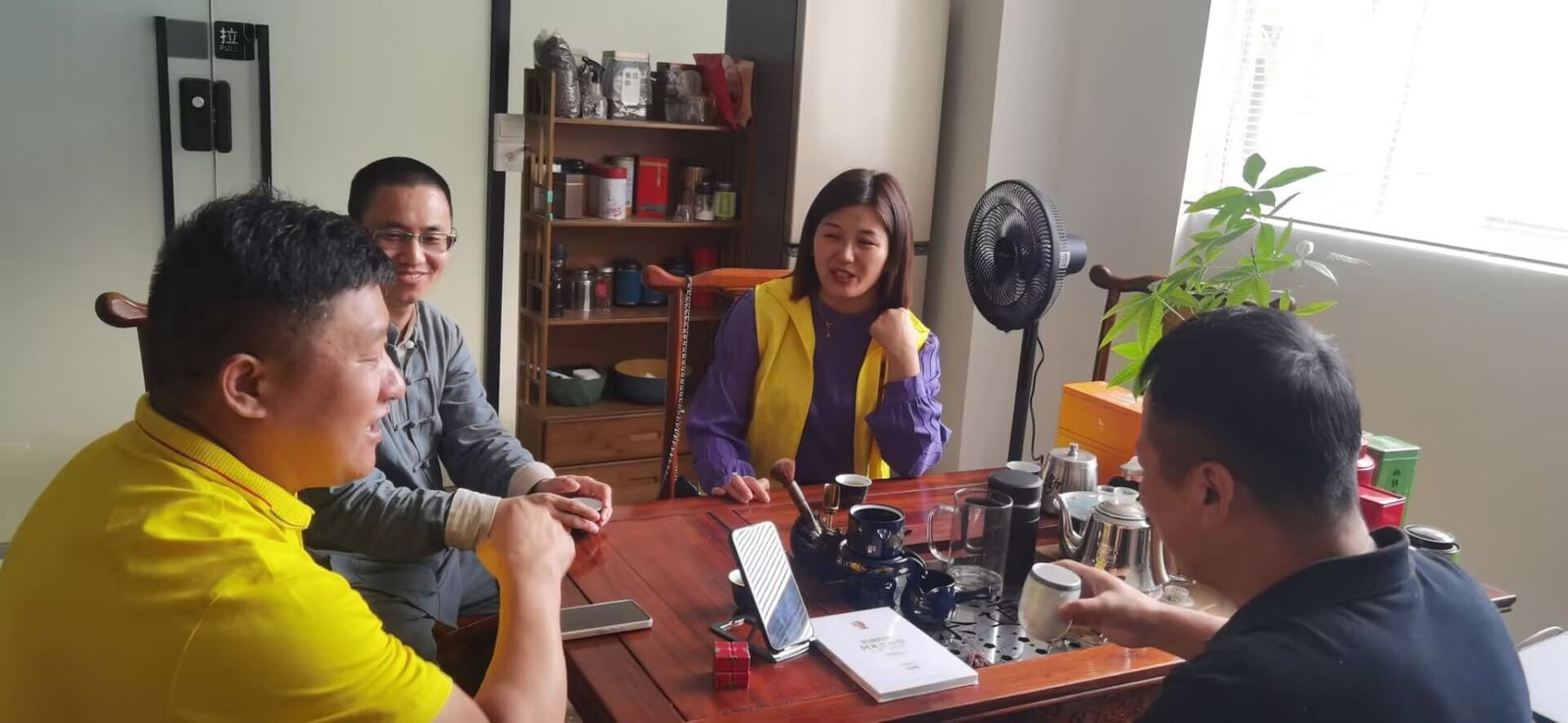
Factory Production Reviews

Customer factory visit
Factory Visit
Production review
Production Review
Technical discussion
Technical Discussion
Quality review
Quality Review
See Swiss Machining at LuckyHxs

What Is Swiss Machining and How Does It Work?

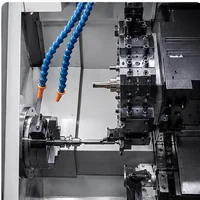
Swiss machining is a specialized CNC turning process commonly used for small-diameter, slender and complex bar-fed components. A sliding-headstock machine moves the bar through a supporting guide system so cutting can occur close to the supported area.

How it works: Bar stock feeding moves material through a sliding headstock. Crucially, support is provided near the cutting zone via a guide bushing. This allows for turning, drilling, threading, live-tool features, and cutoff/back working to occur with minimal deflection.

Why does this matter to my part? It lowers deflection risk on slender geometry, requires fewer datum transfers for suitable multi-feature parts, provides the ability to combine round and off-axis features, and ensures efficient bar-fed repeat production.

Note: The best process depends on geometry, tolerance, quantity and material.
Swiss Machining vs. CNC Turning: Which Is Right for Your Part?

Part Geometry: Swiss is suited for small diameter, long/slender, and complex bar-fed components. Conventional CNC Turning is better for shorter, larger diameter, standard cylindrical components.

Support Method: Swiss uses a part support strategy near the cutting zone. Turning typically supports the workpiece from the chuck/collet side.

Feature Complexity: Swiss can be useful where multiple small features must remain related. Turning is very efficient for standard concentric turning geometry.

Quantity: Swiss automation can be useful for repeat bar-fed production, but setup economics must still be reviewed for prototype and low-volume projects.

Material Cost: Guide-bushing and bar-stock requirements can affect stock selection and material economics.

Final Rule: Choose the process from the drawing—not from the word "precision."

Long slender Swiss shaft VS Short CNC turned bushing

How Do You Choose a CNC Swiss Machining Company?

A buyer's checklist for evaluating Swiss machining services:

1. Do They Understand Bar Stock Requirements?
2. Can They Review Long / Slender Geometry?
3. Can They Control Runout and Concentricity?
4. Can They Machine Micro Holes and Cross Features?
5. How Are Fine Threads Inspected?
6. Can Related Features Be Kept in Fewer Setups?
7. How Are Cutoff and Back-Side Features Controlled?
8. How Is Tool Wear Monitored During Long Runs?
9. How Are Burrs and Internal Chips Removed?
10. How Are Cosmetic / Contact Surfaces Protected?
11. How Do They Move from First Article to Repeat Production?
12. Can They Review Your Drawing Before Quotation?

LuckyHxs supports Drawing Review, Material Confirmation, Process Evaluation, First Article, In-Process Inspection, Thread/Burr Review, and Repeat Production.

Frequently Asked Questions About Swiss Machined Parts

1. What is Swiss machining?
A specialized CNC turning process using a sliding headstock and guide bushing to support the bar close to the cutting tool, minimizing deflection on slender parts.
2. What types of parts are best suited for Swiss machining?
Small diameter, long/slender, bar-fed, multi-feature precision turned components.
3. What is the difference between Swiss machining and CNC turning?
Swiss supports the part near the cut via a guide bushing; conventional turning supports the part from the chuck, which can allow long parts to deflect.
4. Does every small part need Swiss machining?
No. Suitability is judged according to geometry, quantity, and feature relationships. Short, simple parts may be more economical on standard CNC lathes.
5. What materials can be used for Swiss machining?
Common materials include Stainless Steel (303/304/316), Brass, Copper, Aluminum, Free-Machining Steel (1214/1215), and selected Engineering Plastics.
6. Can Swiss machining produce cross holes, flats and threads?
Yes, when machine configuration and part geometry support those operations.
7. How do you control runout on long Swiss machined shafts?
Through Geometry Review, Bar Condition control, Process Support (guide bushings), Machining Sequence, and Functional Datum Inspection.
8. How do you inspect small threads and cross holes?
Using appropriate gauges, dimensional inspection, burr review, and visual/magnified inspection where required.
9. How much do Swiss machined parts cost?
Cost depends on Material, Bar Size/Condition, Part Diameter/Length, Geometry, Number of Features, Cycle Time, Tooling, Tolerance, Quantity, Secondary Operations, Inspection, and Finish.
10. What information do you need for a Swiss machining quote?
2D Drawing, 3D CAD, Material, Bar/Material Requirement (if specified), Quantity, Critical Diameters, Runout/Concentricity, Threads, Cross Holes, Back-Side Features, Surface Finish, and Inspection Requirements.

Need Small Parts That Stay Consistent From First Article to Repeat Production?

Send your 2D/3D drawing, material, quantity, critical diameters, runout, concentricity, threads, cross holes, back-side features, surface finish and inspection requirements. Our team will review whether Swiss machining is the right process before quotation.

Or contact us directly at admin1@lucky-hxs.com | +86 13342931453

Complete Swiss product portfolio including shafts, pins, connectors, inserts, sleeves, nozzles, and complex components